
- 2–4 visitsinitial phase
- 6–8 weeksto reassessment
- Localanaesthetic
- 3–6 monthsmaintenance interval
What is gum disease?
Gum disease is a bacterial infection of the tissues that surround and support the teeth. It begins as gingivitis, an inflammation of the gum margin caused by plaque that has not been removed. At this stage there is no permanent damage and the condition is fully reversible with professional cleaning and better home care.
If plaque hardens into calculus below the gum line and the inflammation persists, it progresses to periodontitis. The gum detaches from the tooth, forming pockets where bacteria thrive, and the bone that holds the tooth begins to resorb. Bone lost to periodontitis does not grow back on its own, which is why the aim of treatment is to halt the process as early as possible.
Signs of gum disease
Periodontal disease is often painless until it is advanced, which is why so many patients are surprised by the diagnosis. Watch for:
- Bleeding when brushing or flossing, or blood on the pillow in the morning
- Red, swollen or tender gums rather than firm, pale-pink tissue
- Persistent bad breath or a bad taste that mouthwash does not resolve
- Gums that have pulled back, making the teeth look longer
- Teeth that feel loose, have shifted, or gaps that have opened up
- Pus between the teeth and gums, or a change in how your bite fits
Risk factors
Smoking is the single largest risk factor and also masks bleeding, hiding the disease. Diabetes, pregnancy, certain medications, stress and a family history all increase susceptibility. Your dentist confirms after examination how advanced the condition is and which factors are relevant to you.
Diagnosis and periodontal charting
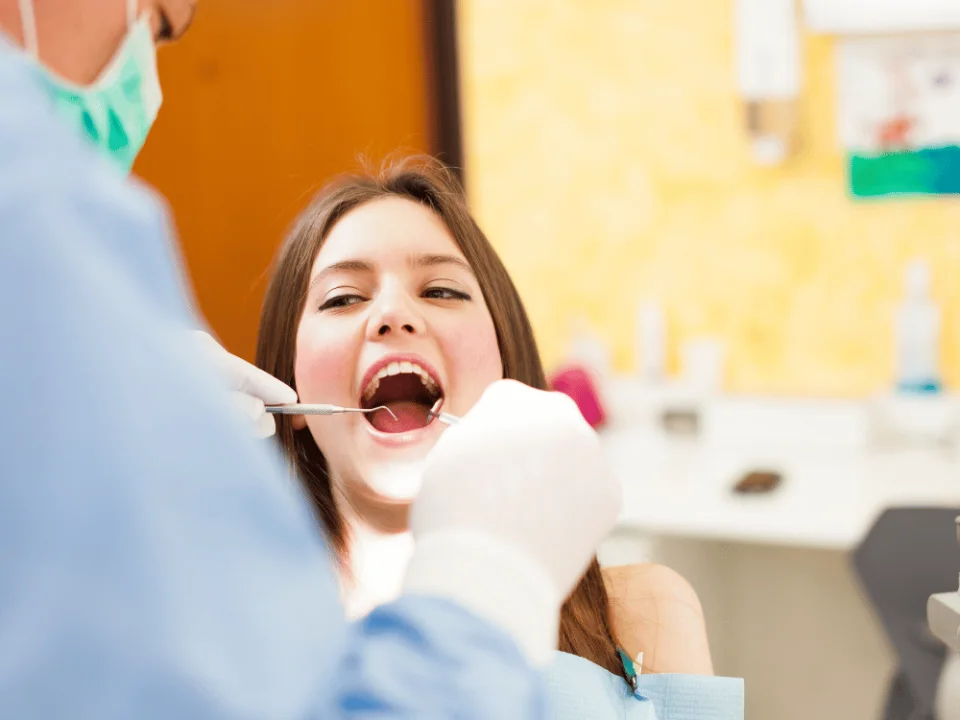
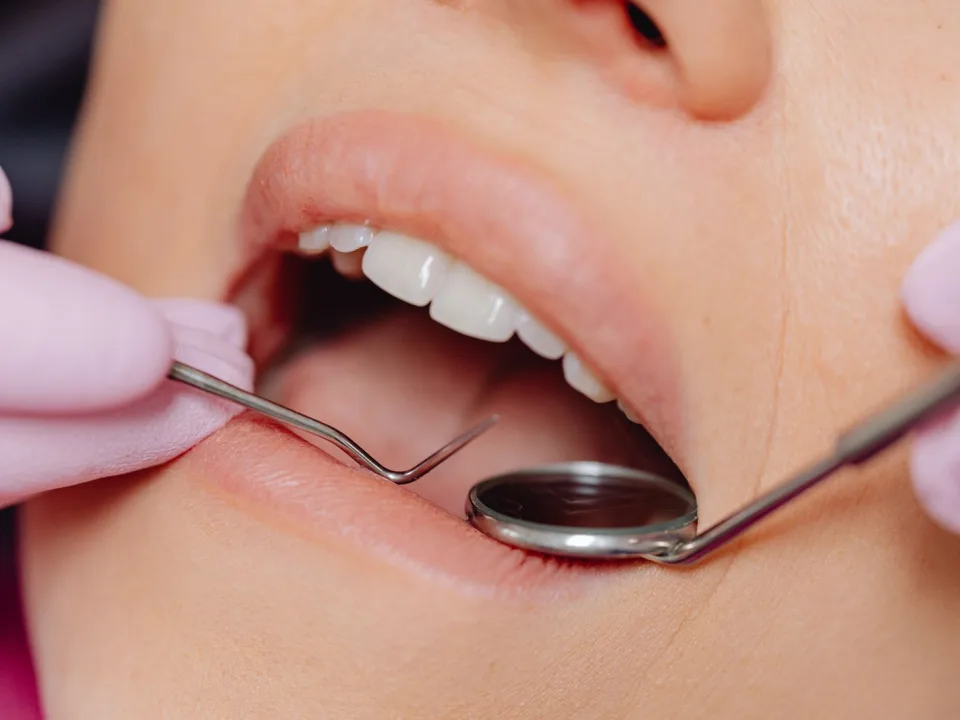
Treatment starts with a full periodontal examination. A fine probe measures the depth of the pocket around each tooth at six points, and the readings are recorded on a chart together with bleeding, recession and mobility. Pockets of up to three millimetres are healthy; deeper pockets indicate attachment loss.
A set of X-rays or a CBCT scan shows the bone level around each root. Together, the chart and imaging establish the stage and grade of the disease and form the baseline against which your response to treatment is measured. This same assessment is part of the treatment journey for any patient planning implants or cosmetic work.
Gum treatment step by step
Periodontal therapy is delivered in phases, and the next phase is only planned once the previous one has been reassessed.
- Hygiene phase: professional scaling above the gum line, and personalised instruction on brushing and interdental cleaning
- Non-surgical therapy: scaling and root surface debridement under local anaesthetic, usually one quadrant or one side of the mouth per visit
- Reassessment at six to eight weeks: pockets are re-measured to see which sites have healed
- Surgical therapy where needed: flap surgery to access deep pockets, or regenerative procedures to rebuild lost bone in suitable defects
- Supportive maintenance: professional cleaning every three to six months for as long as you keep your teeth
Non-surgical vs surgical options
Scaling and root surface debridement removes calculus and bacterial deposits from the root surfaces below the gum, allowing the tissue to reattach. It is carried out with ultrasonic and hand instruments under local anaesthetic, and for most patients with mild to moderate periodontitis it is sufficient.
Where pockets remain deeper than five or six millimetres after reassessment, the dentist cannot reach the base of the pocket without lifting the gum. Flap surgery provides direct access, and in certain bone defects a graft material or membrane can encourage regeneration. In advanced cases where a tooth has lost most of its support, removing it and planning a dental implant once the surrounding tissues are healthy may be the more predictable route.
Gum recession and aesthetics
Once the disease is under control, recession that leaves roots exposed or an uneven gum line can be addressed. Grafting can cover exposed roots, and gum contouring reshapes the margin where teeth appear too short or asymmetrical.
Aftercare and preventing recurrence
After deep cleaning the gums may feel tender for a day or two and the teeth can be sensitive to cold for a few weeks as the swelling resolves and more root is exposed. Gums that shrink back as inflammation settles are a sign of healing, not of damage.
The long-term result depends far more on what happens at home than on what happens in the chair. Twice-daily brushing with a soft brush, daily interdental cleaning with brushes sized to your gaps, and stopping smoking are the three habits that matter most. Regular maintenance appointments, either at the clinic or with a hygienist near home, are the routine that keeps the disease from returning. Practical details are in the aftercare guide.
What happens if gum disease is left untreated
Periodontitis is the leading cause of tooth loss in adults. Without treatment the pockets deepen, bone continues to resorb and teeth loosen and drift until they are lost or have to be removed. Each lost tooth takes its supporting bone with it, which makes later replacement with implants more complex and may require bone grafting first.
The inflammation is not confined to the mouth. Periodontitis is associated with cardiovascular disease, poorer diabetic control and adverse pregnancy outcomes, and treating it is part of caring for general health.
Risks and what to expect
Non-surgical treatment carries very little risk. Temporary sensitivity, gum shrinkage and minor bleeding are the usual effects. Surgical procedures add the normal risks of minor oral surgery: swelling, bruising and, rarely, infection. Regenerative results vary with the shape of the bone defect and cannot be promised in advance.
The most significant risk is not the treatment itself but stopping too soon. Periodontitis is a chronic condition that is managed rather than cured, and patients who skip maintenance typically see it return. Your dentist sets out a realistic prognosis for each tooth at the reassessment visit.
Related reading
How it works at Habibler Clinic
- AssessmentSend an X-ray or photos; we reply with a written outline.
- Examination & 3D scanClinical check and imaging confirm the plan and timeline.
- TreatmentSessions are scheduled together, in the order agreed.
- Follow-upWritten aftercare and scheduled check-ups.